Which Board is Tough: ICSE or CBSE?
Choosing between the ICSE and CBSE boards is a common question among students and parents across India. Many people try to decide which board is “tougher,” but the truth is that difficulty depends more on a student’s learning style, strengths, and academic goals than on the board itself. Understanding how both boards differ in syllabus, exam pattern, and overall approach can help students make a confident and informed choice.
Syllabus Depth and Learning Approach
ICSE is known for its detailed and descriptive syllabus. Subjects such as English, History, Geography, and Biology involve in-depth explanations, structured answers, and strong emphasis on conceptual clarity. Students are encouraged to write well-framed answers and develop analytical thinking. This approach strengthens language skills and deep understanding of topics, though it may feel lengthy for some learners.
CBSE, on the other hand, follows a more concise and focused curriculum. The board emphasizes clarity of concepts, especially in Mathematics and Science, with less dependence on long theoretical explanations. Because of this streamlined structure, many students find CBSE easier to revise and manage during examinations.
Examination Pattern and Marking Style
ICSE exams usually include descriptive, step-wise answers where presentation, clarity, and proper language matter. Internal assessments, projects, and practical work also contribute to the final score, encouraging consistent study throughout the year.
CBSE examinations contain a balanced mix of objective, short-answer, and long-answer questions. In recent years, competency-based and case-study questions have increased, focusing on understanding and application rather than memorization. The marking scheme is generally straightforward, which many students find predictable.
Language Strength vs Conceptual Focus
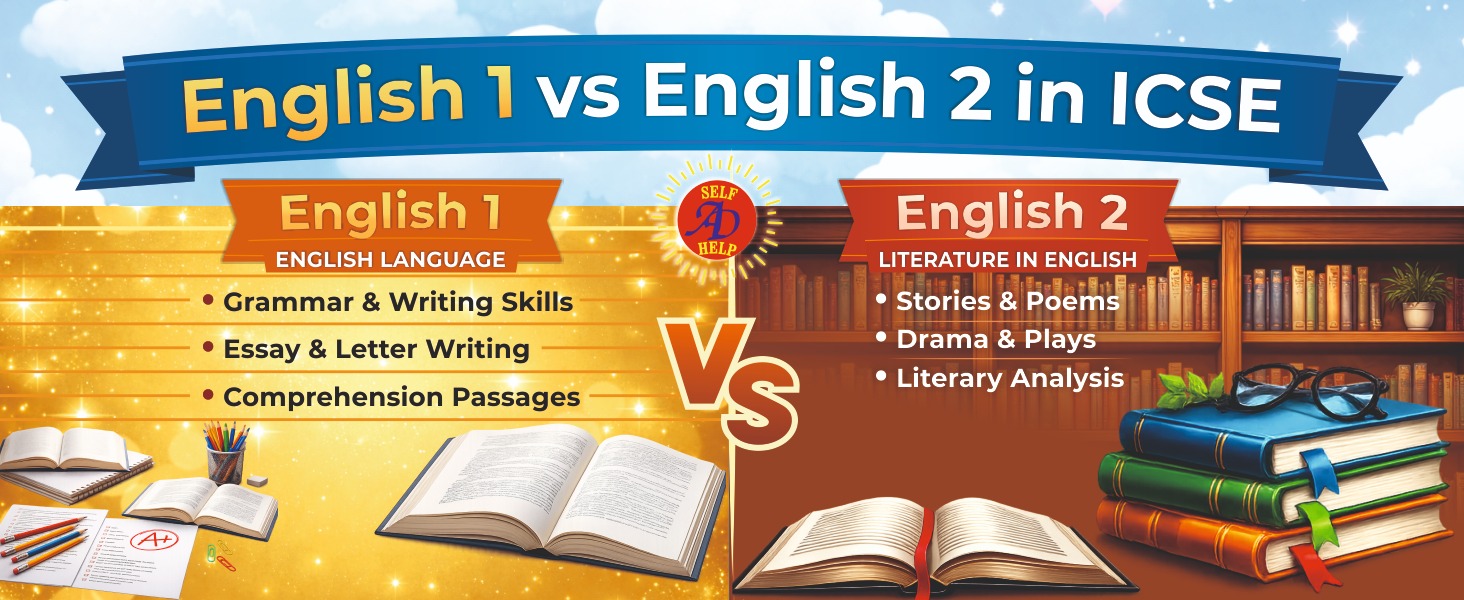
One major strength of ICSE is its strong foundation in English language and expression. Grammar, composition, and literature are deeply integrated, helping students develop confident communication skills useful for higher studies and professional life.
CBSE places stronger emphasis on numerical ability, logical reasoning, and scientific thinking. This makes it especially suitable for students planning careers in engineering, medicine, technology, or other competitive scientific fields.
Alignment with Competitive Exams
Most national-level entrance exams in India—such as JEE, NEET, and CUET—closely follow the CBSE syllabus. Because of this overlap, CBSE students often find it easier to begin competitive exam preparation.
ICSE students may need some additional practice with objective and application-based questions, but their strong conceptual understanding and analytical skills can still help them perform exceptionally well once they adapt to the format.
Academic Pressure and Study Load
ICSE students often feel pressure due to the vast syllabus, detailed writing work, and multiple internal assessments. Effective time management becomes essential.
CBSE pressure is slightly different. While the theory load may feel lighter, conceptual difficulty and problem-solving accuracy—especially in higher classes—can be demanding. Students must focus on precision and speed rather than memorization.
So, Which Board Is Actually Tougher?
There is no universal answer:
- ICSE may feel tougher for students who struggle with lengthy theory and descriptive writing.
- CBSE may feel tougher for students who find numerical reasoning and application-based questions challenging.
Ultimately, discipline, clarity of concepts, and regular revision matter far more than the board name. Students from both boards consistently achieve excellent academic and career success.
Choosing the Right Board for You
Instead of focusing only on difficulty level, students should consider:
- Interest in languages vs numerical subjects
- Future career goals and competitive exams
- Personal learning style and comfort
- Quality of school teaching and study support
Making a thoughtful decision based on these factors is far more useful than simply asking which board is harder.
Final Thoughts
Both ICSE and CBSE provide strong academic foundations in different ways—one emphasizing depth of knowledge and language mastery, the other focusing on conceptual precision and competitive readiness. With consistent effort, smart study strategies, and the right academic guidance, students from either board can score high and build successful futures.
For ICSE learners especially, structured self-study support can make preparation more organized and stress-free. The Arundeep Self-Help Series is widely trusted by students for clear explanations, exam-focused practice, and systematic revision support aligned with the ICSE syllabus. Using reliable study resources alongside disciplined preparation can significantly boost confidence and performance in board examinations, helping students turn their academic goals into real achievements.